Identification
Mildew and Mold: What's the Difference and What Should You Do?
Is it mildew or mold? Learn the key differences in appearance, health risks, and cleanup. A homeowner's guide to identifying and tackling fungi.
Fast facts
- Mildew is a surface fungus (powdery, gray/white), while mold penetrates materials (fuzzy/slimy, various colors).
- Mildew is easier to clean with DIY methods, but mold on porous surfaces often requires professional removal.
- Both thrive on moisture; controlling humidity and fixing leaks is the number one way to prevent growth.
- If a growth patch is larger than 10 sq ft or you suspect it's inside walls, it's time to call a professional.
- Use tools like Mold Detector AI for a quick, initial identification to help guide your next steps.
Photo examples
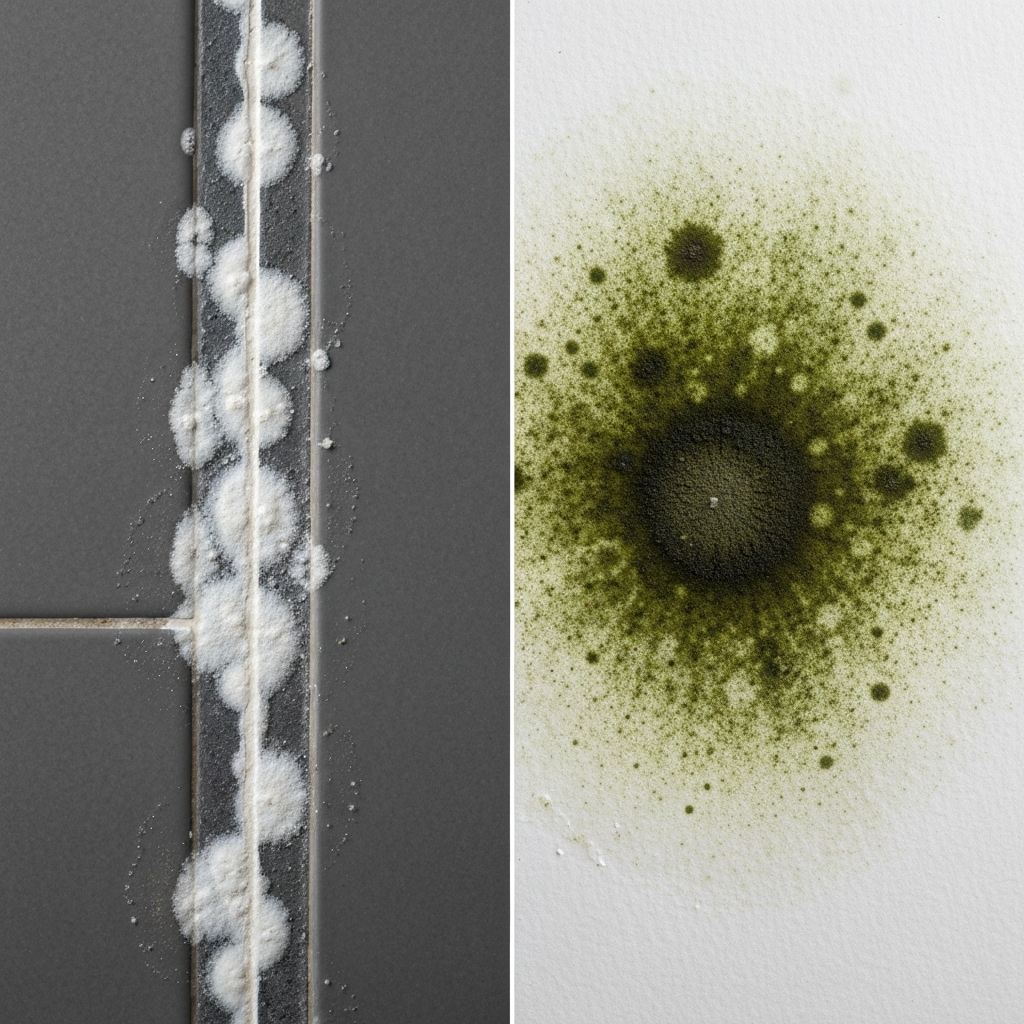

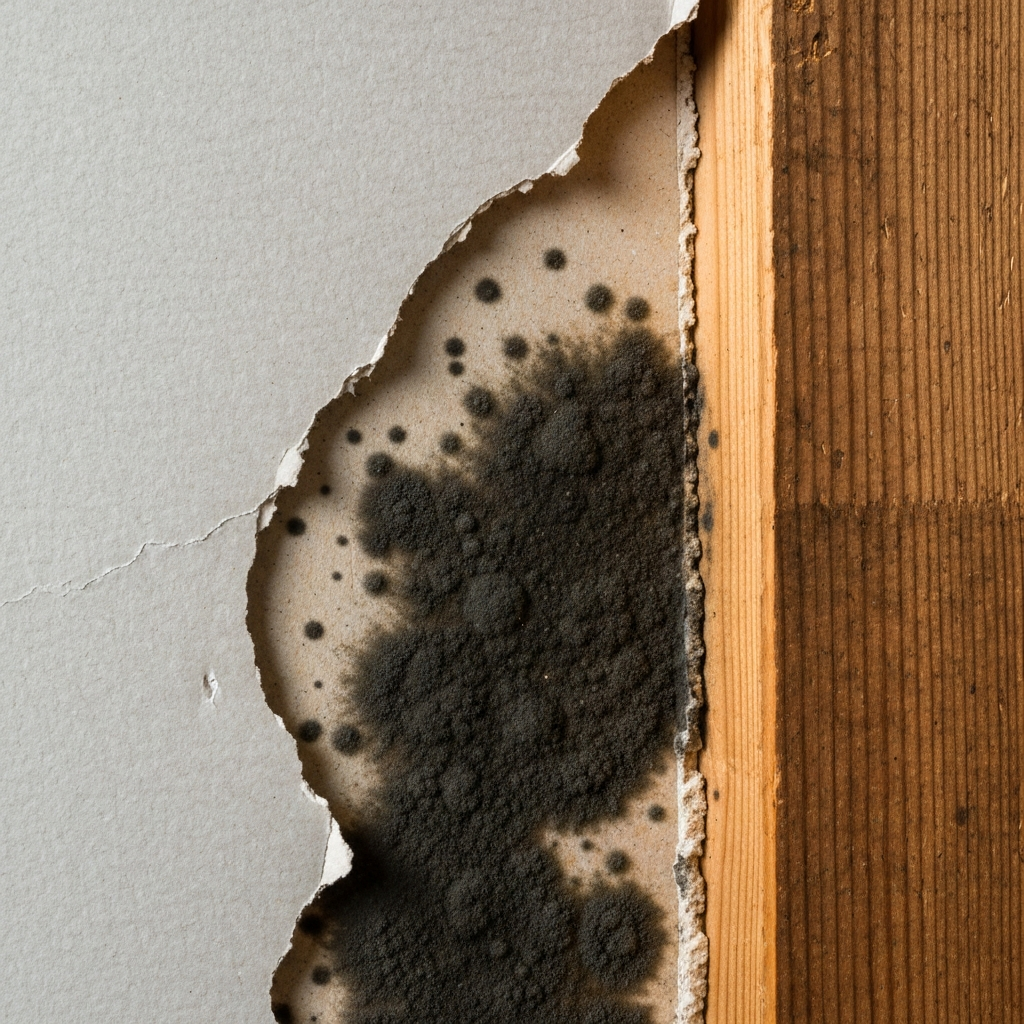
Is It Mildew or Mold? A Common Homeowner Question
You see it in the corner of your shower or on a damp window sill—a faint, dusty patch of gray or white. Your first thought might be, “It’s just a bit of mildew.” But then a worry creeps in: What if it’s mold? While people often use the terms interchangeably, understanding the difference between mildew and mold is crucial for protecting your home and your health.
As cousins in the fungi kingdom, they share a love for damp, dark, and warm environments. However, they differ significantly in their appearance, their impact on your home’s structure, and the potential health risks they pose. This guide will walk you through everything you need to know to identify what you’re dealing with and, most importantly, what to do about it.
The Fungi Family: What Truly Separates Mildew and Mold?
At a high level, both are types of fungi that can grow in our homes. The most critical distinction for a homeowner lies in how they grow. Think of it this way: mildew lives on a surface, while mold lives in it.
Mildew is a form of surface-level fungus. It’s happy to grow on top of non-porous surfaces like shower tiles, caulk, or vinyl shower curtains. Because it doesn’t penetrate the material, it’s generally easier to clean.
Mold, on the other hand, is more invasive. It develops a root system (called hyphae) that grows deep into porous materials like drywall, wood, insulation, and carpet. This is why simply wiping away visible mold isn’t enough—the roots remain, and the mold will almost certainly grow back.
Mildew vs. Mold: A Quick Visual Guide
When you spot something suspicious, a quick visual check is your first step. Here are the key characteristics to look for.
Appearance and Color
- Mildew: Typically starts as powdery or downy. Its color palette is limited, usually appearing as white, gray, or sometimes yellowish. It looks like a flat, thin layer of dust that has been smudged across a surface.
- Mold: Can be fuzzy, slimy, or velvety in texture. Mold comes in a much wider and more alarming range of colors, including green, black, blue, yellow, orange, and even pink. It often appears as distinct spots or patches that may be slightly raised from the surface.
Texture and Growth Pattern
- Mildew: Because it’s a surface growth, its texture is uniform and flat. You can often wipe it away with a household cleaner and a bit of scrubbing.
- Mold: Its texture can vary, but its defining characteristic is its penetrating growth. If you find mold on drywall, for example, it’s a safe bet that it has grown into the paper and gypsum core, not just on the paint.
Common Locations
Where you find the growth can be a major clue.
- Mildew Hotspots: Think high-humidity surfaces that don't absorb water. This includes bathroom tiles and grout, shower doors, window sills, and even the leaves of overwatered houseplants.
- Mold Hotspots: Mold can grow on those same surfaces, but it thrives in and on porous materials that have become damp. Common areas include basements and crawl spaces, inside walls after a pipe leak, under carpets that got wet, and in attics with poor ventilation. For more on this, check out our guide to the common places mold hides in your home.
Health Implications: Should You Be Concerned?
The short answer is yes—any unmanaged fungal growth can negatively impact your home’s air quality. However, the level of concern differs.
Exposure to mildew can trigger mild respiratory issues, especially for people with asthma or allergies. Symptoms often include coughing, sneezing, headaches, and a sore throat.
Mold carries a higher potential for health problems. Certain molds produce mycotoxins, which are toxic compounds that can lead to more severe reactions. The health effects associated with mold exposure can range from chronic allergic reactions and respiratory infections to more serious long-term issues, particularly for children, the elderly, and immunocompromised individuals.
Safety Note: You do not need to identify the exact species of mold to take action. The CDC and EPA agree that all mold growth in a home should be removed safely and promptly, regardless of type.
The “Sniff Test”: Does Odor Help with Identification?
Your nose can also provide clues. Both fungi produce microbial volatile organic compounds (mVOCs) as they grow and digest material, resulting in distinct smells.
- Mildew typically gives off a light, musty, or “dank” smell, similar to damp towels left in a pile.
- Mold usually produces a much stronger, more pungent, and earthy odor. It's the persistent smell you might associate with a damp, old basement. This odor will get stronger the longer the mold is left to grow.
Safety Warning: Never put your face close to suspected fungal growth to inhale it deeply. If the smell is noticeable from a distance, that’s all the information you need.
Taking Action: How to Clean Mildew and Mold
Your cleaning strategy depends entirely on what you’re dealing with and where it’s located.
Cleaning Mildew (The DIY Approach)
For small patches of mildew on hard, non-porous surfaces, a DIY approach is usually effective.
Safety First: Always wear waterproof gloves, an N95 mask to avoid inhaling spores, and safety goggles. Ensure the area is well-ventilated by opening a window or running an exhaust fan.
- Prepare a Solution: A simple solution of one part white vinegar to one part water in a spray bottle works well. You can also use a dedicated, store-bought mildew cleaner.
- Spray and Wait: Generously spray the affected area and let the solution sit for 10-15 minutes.
- Scrub and Rinse: Use a stiff brush or sponge to scrub the mildew off the surface. Rinse the area thoroughly with water.
- Dry Completely: This is the most important step! Dry the area with a clean cloth. If you leave it damp, the mildew will return.
Tackling Mold (When DIY Is and Isn't an Option)
Cleaning mold is more complex. While small spots on non-porous surfaces (like tile) can be cleaned like mildew, mold on porous materials is a different story.
If mold is growing on drywall, wood, carpet, or insulation, you cannot simply clean the surface. The roots are embedded within the material. In these cases, the affected material must be carefully removed, disposed of, and replaced. This is often a job best left for professionals to avoid cross-contamination.
If you've found a suspicious spot and aren't sure if it's surface-level mildew or potentially deeper mold, getting a quick analysis can guide your next steps. Tools like Mold Detector AI use photo analysis to give you an instant assessment, helping you understand the potential severity before you start scrubbing or scheduling a costly consultation.
When to Call a Professional
Don’t hesitate to call a certified mold remediation professional if you encounter any of the following:
- The growth covers a large area (generally more than 10 square feet).
- You suspect mold is growing inside your walls, under flooring, or in your HVAC system.
- There is a strong, persistent musty odor, but you cannot find the source.
- Your home has experienced significant water damage from a flood, burst pipe, or major roof leak.
- Household members are experiencing unexplained health symptoms that could be linked to mold.
Making the right call starts with proper identification. For peace of mind, a quick digital check can be your first line of defense.
Not sure if that's mold? Upload your photo to Mold Detector AI and get instant results.
Prevention Is the Best Medicine
Ultimately, the best way to deal with mildew and mold is to prevent them from growing in the first place. Both need moisture to survive, so the key is moisture control. Following the best way to prevent mold growth will keep your home safe.
- Use exhaust fans in bathrooms and kitchens to vent moisture outside.
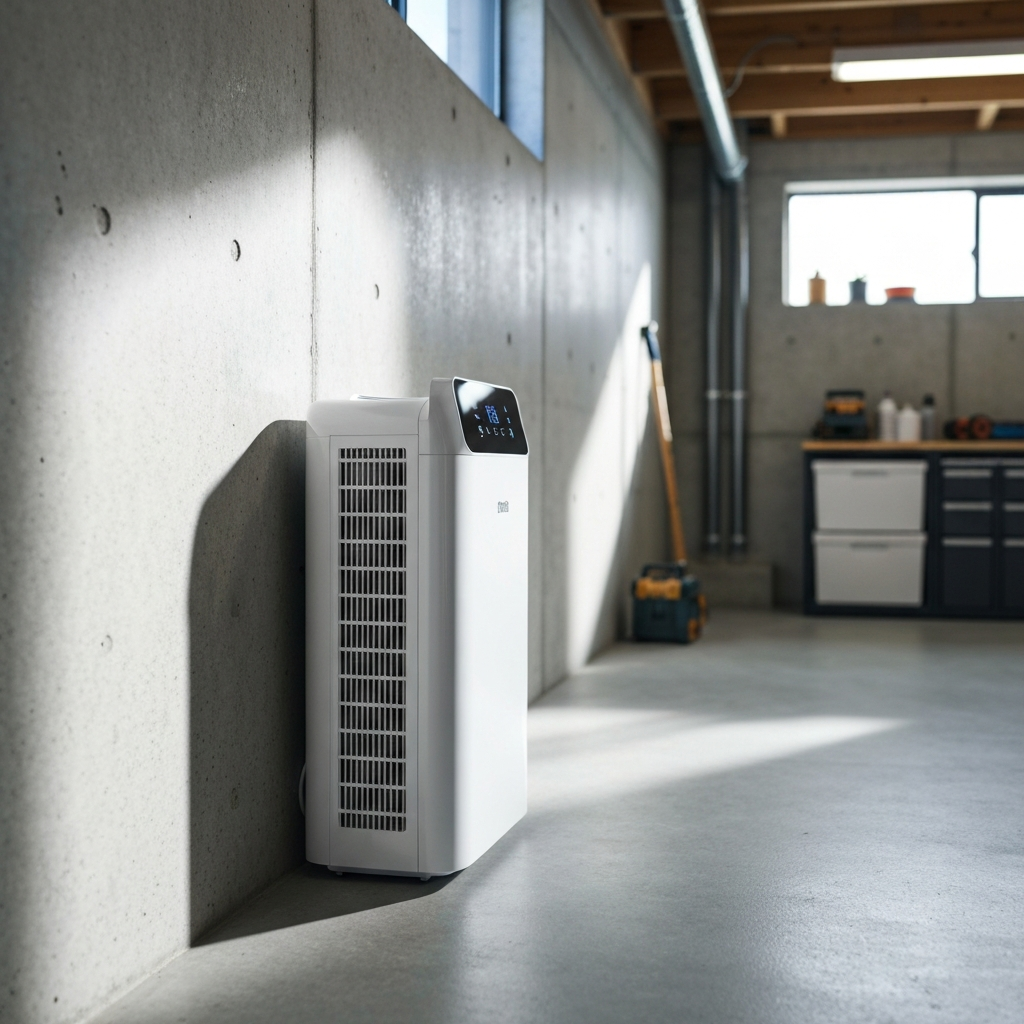
- Maintain indoor humidity levels between 30% and 50% using a dehumidifier if necessary.
- Fix all water leaks promptly, no matter how small.
- Ensure your home, especially the attic and basement, is properly ventilated.
- Regularly clean and dry areas prone to dampness.
By staying vigilant and understanding the difference between mildew and mold, you can take swift, effective action to keep your home healthy and fungus-free.
Ready to put this into action?
Not sure if that's mold? Upload your photo to Mold Detector AI and get instant results.
Launch Mold Detector AI