Health & Safety
Is It Safe to Sleep in a Room With Mold? The Urgent Answer Every Homeowner Needs
Is it safe to sleep in a room with mold? Discover the health risks, impact on sleep, and a clear action plan for dealing with mold in your bedroom.
Fast facts
- No, it is not safe to sleep in a room with mold due to health risks from spores and mycotoxins.
- Mold exposure can cause allergic reactions, respiratory issues, and significantly disrupt your sleep quality.
- Your immediate action should be to relocate, isolate the room, and identify the potential mold.
- Small visible spots can indicate larger hidden problems; any amount of mold should be addressed promptly.
- Use a professional for large infestations (>10 sq ft), HVAC contamination, or if you have severe symptoms.
Photo examples
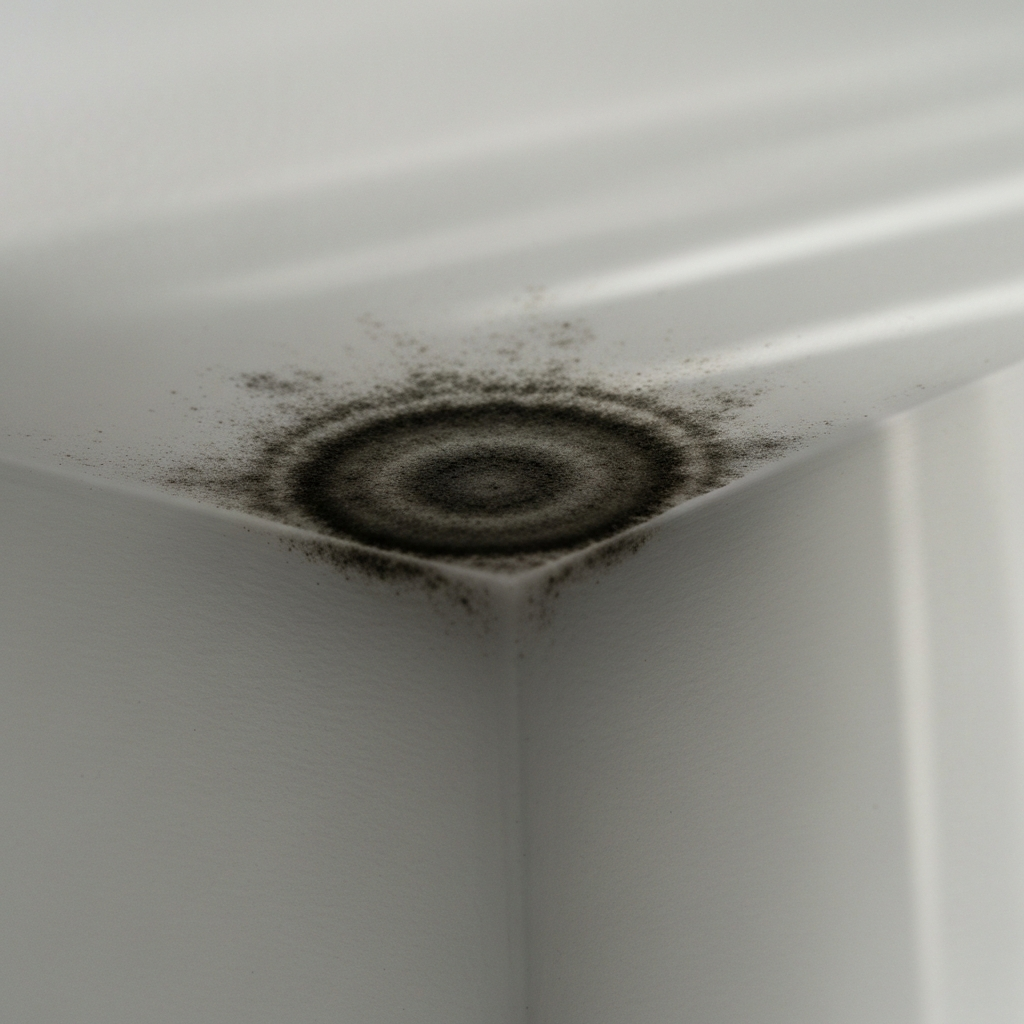
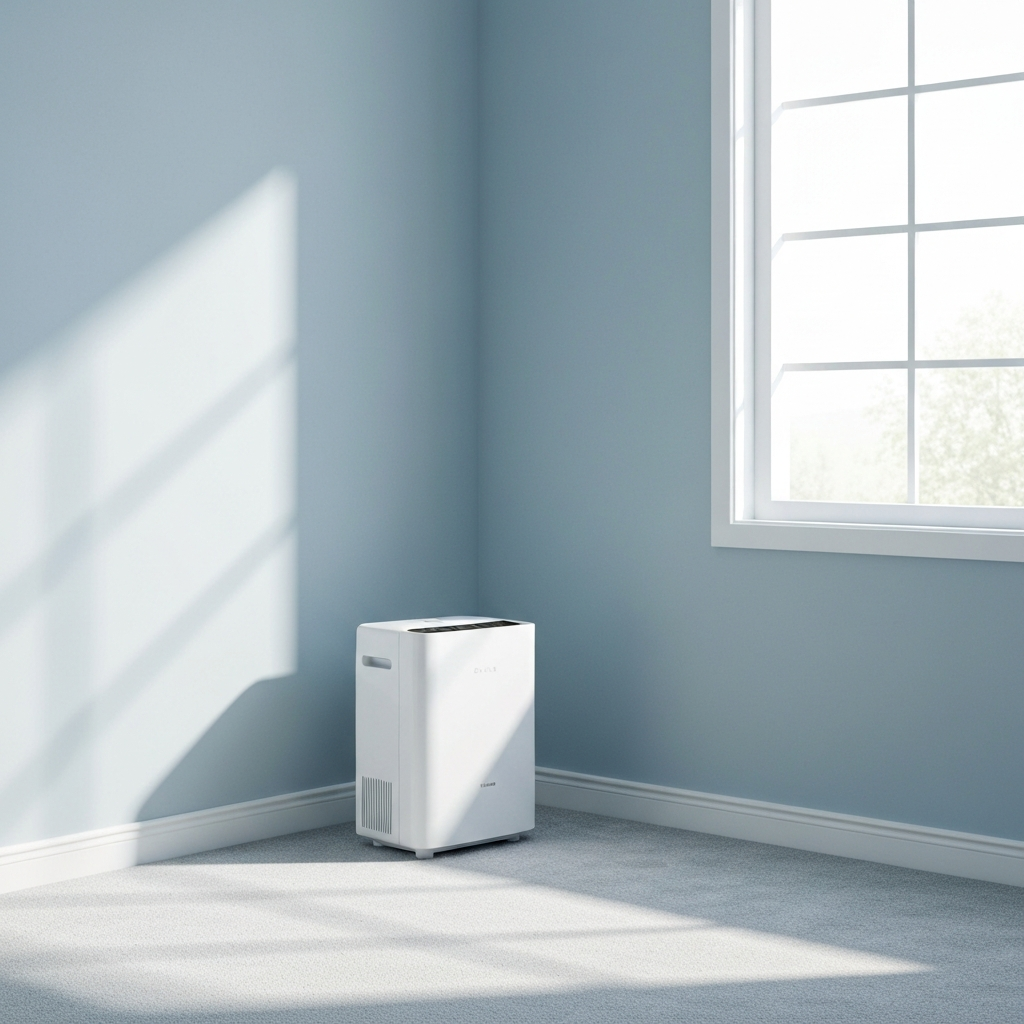
Is It Safe to Sleep in a Room With Mold? The Short Answer is No.
You’re getting ready for bed, you look up, and your heart sinks. There, in the corner of the ceiling or along the window sill, is a dark, unsettling patch you swear wasn’t there last week. Your mind immediately races: Is that mold? And more importantly, is it safe to be sleeping in a room with mold every single night?
Let's be direct: No, it is not safe to sleep in a room with mold. While the level of risk can vary, continued exposure to mold spores, especially during the 6-8 hours you spend sleeping and breathing deeply, is a significant threat to your health and well-being. This isn't a problem to ignore or put off until next weekend. It requires immediate attention.
This guide will walk you through the dangers, the impact on your sleep, and a practical, step-by-step action plan to reclaim your healthy home environment.
The Unseen Dangers: Why Sleeping Near Mold is a Health Risk
Mold is a type of fungus that thrives in damp, warm, and dark environments—just like a forgotten corner of a bedroom with poor ventilation or a minor, undiscovered leak. As it grows, it releases tiny, lightweight spores into the air to reproduce. When you're in the room, you inhale these spores.
For many people, this triggers an immune response. Think of it as your body constantly fighting off an invisible invader. Some molds also produce mycotoxins, which are toxic substances that can lead to more severe health issues. Your sensitivity, the type of mold, and the duration of exposure all play a role in how your body reacts.
Common Health Symptoms of Mold Exposure:
- Allergic Reactions: This is the most common response. Symptoms include sneezing, runny or stuffy nose, itchy eyes, and skin rashes.
- Respiratory Issues: Coughing, wheezing, shortness of breath, and chest tightness are serious signs. For individuals with asthma, mold can trigger severe attacks.
- Headaches and Fatigue: Constant exposure can lead to persistent headaches, migraines, and a feeling of chronic tiredness that sleep doesn't seem to fix.
- Neurological Symptoms: In more sensitive individuals or with prolonged exposure, symptoms can include brain fog, memory issues, and difficulty concentrating.
Vulnerable individuals, such as children, the elderly, pregnant women, and anyone with a compromised immune system or pre-existing respiratory condition, are at an even higher risk of developing severe complications.
How Mold Disrupts More Than Just Your Health: The Impact on Sleep
Even if you aren't experiencing dramatic daytime symptoms, mold could be sabotaging your sleep. The very symptoms it causes are a recipe for restless nights.
Nasal congestion and coughing force you to wake up, interrupting your natural sleep cycles. The struggle to breathe comfortably prevents you from entering deep, restorative sleep. You might wake up feeling just as tired as when you went to bed, leading to a vicious cycle of fatigue, a weakened immune system, and increased sensitivity to the mold itself.
A healthy bedroom should be a sanctuary for rest, not a source of airborne irritants that disrupt your body's essential recovery process.
"But It's Just a Small Spot!" – Does Size Matter?
It's easy to dismiss a small patch of mold, thinking it’s a minor issue. This is a dangerous assumption. Visible mold is often just the tip of the iceberg. A small spot on your drywall could be hiding a massive colony on the other side, feeding on a slow leak inside the wall.
Regardless of size, any visible mold is actively releasing spores into your breathing space. A small spot can produce enough spores to cause health problems. Ignoring it allows it to grow and spread, turning a manageable problem into a costly and complex remediation project.
Your Immediate Action Plan: What to Do Tonight
If you've confirmed or strongly suspect mold in your bedroom, you need to act now. Don't wait. Follow these steps for tonight.
1. Relocate Temporarily (If Possible): Your first priority is to stop sleeping in the room with mold. Move to a guest room, the living room sofa, or even a friend's house. This single step immediately reduces your exposure and gives your body a break. This is especially critical for children and other vulnerable family members.
2. Isolate the Area: Close the door to the affected room to help contain the spores. If you can, turn off any HVAC vents that connect to the room to prevent spores from circulating throughout your home. You can tape plastic sheeting over the vents as a temporary measure.
3. Don't Disturb the Mold: Resist the urge to immediately touch, scrub, or poke at the mold. Disturbing it without proper precautions will release a massive cloud of spores into the air, making the problem worse.
4. Identify What You're Dealing With: The first step to a solution is identification. Is it actually mold? Is it a dangerous type? Knowing what you're up against informs your next steps. This is where modern technology can give you a major advantage.
Identify First, Act Second: Using Tech to Your Advantage
Before you start a DIY cleanup or call in an expensive professional, you need clarity. Our service, Mold Detector AI, was designed for this exact moment. It provides a fast, accessible, and affordable first step in understanding the potential risk.
By simply uploading a photo of the suspicious area, our AI can analyze it and provide an instant assessment of the likelihood that it's mold. This empowers you with the information you need to decide whether it’s a small DIY job or a situation that requires a professional remediator.
Worried about the spot above your bed? Get instant peace of mind by analyzing it with our AI tool right now.
From Identification to Remediation: Your Next Steps
Once you have a better idea of what you're facing, you can proceed with a clear plan.
Tackling Small, Surface-Level Mold (Under 10 sq. ft.)
If the affected area is small and on a non-porous surface (like tile or metal), you might be able to handle it yourself. But safety is non-negotiable.
- Gear Up: Always wear an N95 respirator mask, safety goggles, and long rubber gloves.
- Clean Properly: Use a cleaning solution designed for mold or a simple mixture of vinegar and water. Scrub the area thoroughly and dry it completely with a fan or dehumidifier. For more detailed instructions, see our complete guide to DIY mold removal.
- Fix the Source: Cleaning mold is pointless if you don't fix the underlying moisture problem. Repair the leak, improve ventilation, or invest in a dehumidifier.
When to Immediately Call a Professional
DIY is not always the answer. Call a certified mold remediation professional if you encounter any of the following:
- The mold covers an area larger than 10 square feet.
- You suspect mold is growing inside your walls or your HVAC system.
- There is a strong, pervasive musty smell, but you can't see the source.
- The mold is the result of a major water event, like a flood or sewage backup.
- Someone in your home is experiencing severe health symptoms related to mold exposure.
A professional has the equipment and expertise to safely contain and remove the mold, ensuring it doesn't spread. For help in this process, read our guide on how to choose a certified mold professional.
Prevention is the Best Medicine: Keeping Your Bedroom Mold-Free
Once your room is clear, the goal is to keep it that way. Prevention is all about moisture control.
- Control Humidity: Keep indoor humidity between 30-50%. Use a dehumidifier in damp climates or during humid months.
- Ventilate: Open windows when possible, use exhaust fans in bathrooms, and ensure your attic and crawl spaces are well-ventilated.
- Fix Leaks Promptly: Inspect your roof, windows, and plumbing regularly. A small drip can create a mold paradise in just 24-48 hours.
- Clean and Declutter: Regular cleaning and reducing clutter improve airflow and remove potential food sources for mold.
For a comprehensive list of tasks, download our ultimate mold prevention checklist.
Your Health Comes First
Sleeping in a room with mold is a risk you should never take. Your health, your sleep, and your peace of mind are too valuable. By taking immediate action, correctly identifying the problem, and following a smart remediation and prevention plan, you can ensure your bedroom is the safe, restful sanctuary it's meant to be.
Ready to put this into action?
Worried about the spot above your bed? Get instant peace of mind by analyzing it with our AI tool right now.
Launch Mold Detector AIFurther reading
Recommended next reads
- I Smell Mold But Can't See It: A Homeowner's Guide to Finding Hidden Mold
- Mold on Window Sills: Why It Happens and How to Stop It for Good
- What Does Ceiling Mold Look Like? A Homeowner's Guide to Identification
- Is It Mold or Dirt? A Homeowner's Guide to Telling the Difference
- What Does Black Mold Look Like? A Homeowner's Guide with Pictures