Identification
Can You Save Moldy Clothes? A Homeowner's Guide to Washing vs. Tossing
Discovering mold on clothes? Learn when to wash and when to toss your garments. Our guide provides safe, effective steps for removing mold from fabric.
Fast facts
- Identify mold by its fuzzy or slimy texture and musty smell, not just its color.
- Toss heavily infested, structurally damaged, or non-washable clothing; the health risk is not worth it.
- Wash salvageable clothes separately in hot water with vinegar or borax, and dry them completely in the sun or on high heat.
- Mold on clothes often signals a larger humidity or leak issue in your home that needs to be addressed.
Photo examples
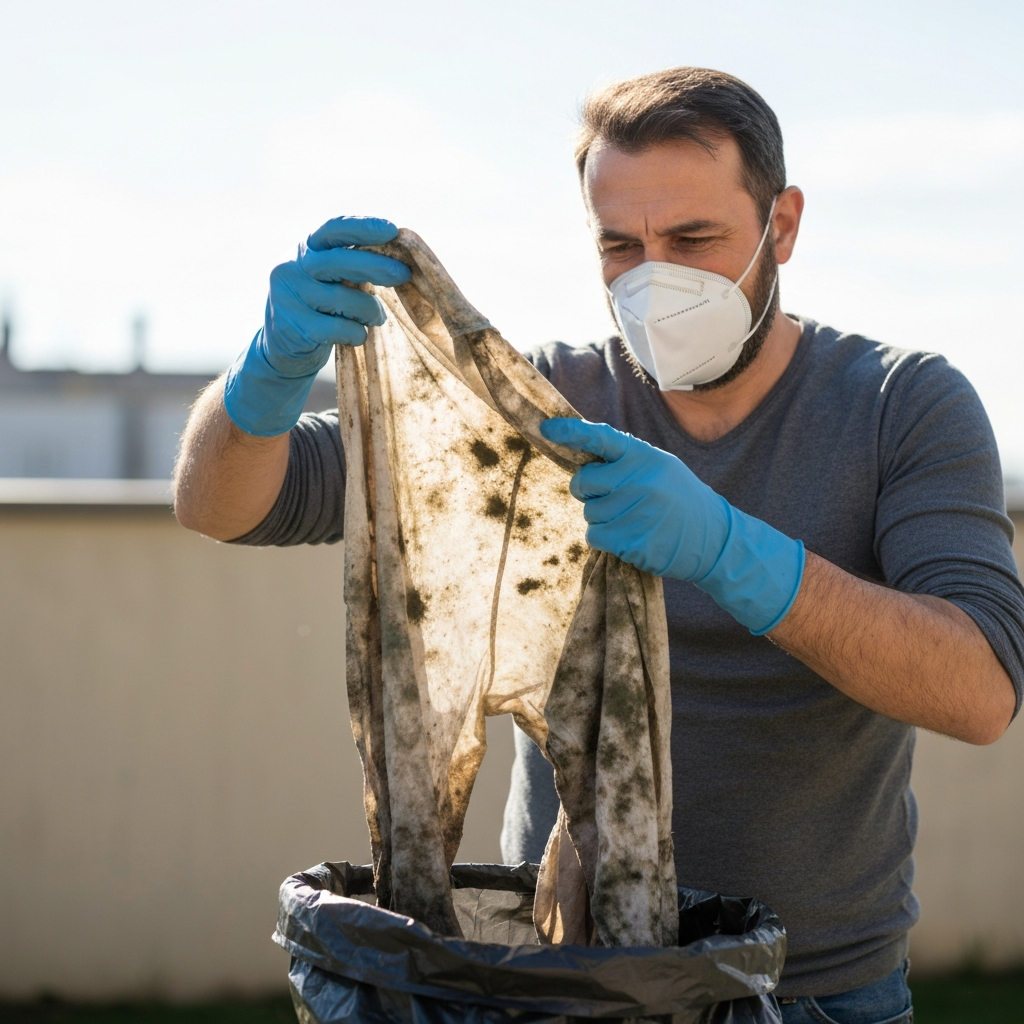


That Sinking Feeling: You’ve Found Mold on Your Clothes
You open a storage bin, a drawer, or the back of your closet and a musty, earthy smell hits you first. Then you see it: fuzzy, speckled spots marring your favorite sweater or a stack of off-season shirts. Your first reaction is likely a mix of disgust and panic. Are these clothes ruined? Is it dangerous? What do you do now?
Discovering mold on clothes is an urgent problem, but it’s not always a death sentence for your wardrobe. As a health-conscious homeowner, you need a clear plan. This guide will walk you through exactly how to assess the damage, when to wash, when to toss, and how to prevent it from ever happening again.
First, How Did Mold Even Get on My Clothes?
Mold spores are everywhere, floating harmlessly in the air. They only become a problem when they find a trifecta of conditions: moisture, a food source (like cotton or other organic fibers), and warmth. Unfortunately, our closets and laundry rooms can be perfect breeding grounds.
Common culprits include:
- Leaving wet laundry in the washing machine: Even a few hours is enough for mold to begin growing in a damp, enclosed space.
- Storing damp clothes: Tossing sweaty gym clothes or a damp towel into a hamper creates a perfect mold incubator.
- High humidity: Closets, basements, and storage areas with poor air circulation and high ambient humidity (above 60%) invite mold to settle on fabrics.
- A larger home mold problem: Sometimes, moldy clothes are just a symptom. A hidden leak in a wall or a damp basement can create enough airborne spores to cross-contaminate your belongings.
Is It Mold or Just a Stain? Quick Visual Cues
Before you start a salvage operation, you need to be sure you’re dealing with mold and not just a simple stain or mildew.
Look for These Telltale Signs
Mold isn’t just a discoloration; it’s a living organism. Get a close look at the affected area. You're likely dealing with mold if you see:
- Texture: Is it fuzzy, velvety, slimy, or cottony? Stains are flat; mold has a three-dimensional texture.
- Pattern: Mold often grows in circular patches or speckled clusters that expand over time.
- Odor: The biggest giveaway is the smell. Mold produces a distinct musty, damp, or earthy odor that clings to the fabric even after it's dry.
Don't Just Judge By Color
Many people panic when they see black spots, immediately thinking of toxic "black mold." While some molds are more hazardous than others, color is not a reliable indicator of danger. Mold can be green, white, gray, orange, or black. The key is identifying it as mold and treating it accordingly.
When you're staring at a strange spot and can't tell if it's mildew, a simple stain, or something more serious, visual confirmation is key. This is where a tool like Mold Detector AI can be invaluable. It analyzes a photo to help you identify what you're dealing with, giving you a better starting point for your cleanup plan.
The Big Question: Can This Garment Be Saved?
Once you’ve confirmed it’s mold, it’s time for triage. Your decision to wash or toss depends on the fabric type and the extent of the growth.
Toss It: When the Mold Wins
Sometimes, you have to accept defeat for your health and safety. It's time to throw an item away if:
- The growth is extensive. If the mold covers a large portion of the garment, it’s not worth the risk or effort.
- The fabric is compromised. Mold feeds on organic fibers, literally eating them away. If the fabric feels brittle, weak, or has visible holes from the mold, it’s a lost cause.
- It’s a non-washable material. Items like leather, suede, and some delicate silks are extremely difficult to decontaminate at home. While a professional cleaner might help, heavily molded items are often unsalvageable.
- You are highly sensitive. If you or a family member has severe allergies, asthma, or a compromised immune system, it's safer to dispose of any affected items to avoid potential health reactions.
Wash It: When You Can Fight Back
You have a good chance of saving the garment if:
- The mold is on the surface. The spots appear to be sitting on top of the fabric rather than deeply embedded.
- The infestation is small and contained. A few spots here and there are manageable.
- The fabric is durable and washable. Cotton, denim, and polyester blends are great candidates for cleaning.
- The item is structurally sound. The fabric is still strong and shows no signs of decay.
Your Step-by-Step Guide to Washing Moldy Clothes
Ready to rescue your clothes? Follow this process carefully. The goal is not just to remove the stain, but to kill the spores completely.
Safety Precautions Before You Begin
Do not underestimate mold. It can release spores that cause respiratory irritation and allergic reactions. Protect yourself:
- Wear gloves and a mask (an N95 respirator is best) to avoid inhaling spores or getting them on your skin.
- Work outdoors if possible. Take the clothes outside to brush off as much surface mold as you can. This prevents spores from spreading inside your home.
- Keep moldy items separate. Wash them in a dedicated load. Do not mix them with uncontaminated laundry.
The Cleaning Process
- Pre-Treat: After brushing off loose mold outdoors, apply a pre-treatment. You can make a paste of borax and water, or a 1:1 solution of white vinegar and water. Let it sit on the stain for at least 30 minutes.
- Choose Your Cleaning Agent: Add one of the following directly to your wash cycle:
- White Vinegar: Add 1-2 cups of white vinegar. It's a mild acid that can kill many types of mold spores.
- Borax: Add a half-cup of borax to the load. It’s a natural mold inhibitor and whitener.
- Mold-Specific Laundry Detergent: There are commercially available laundry additives designed specifically to kill mold and bacteria.
A note on bleach: While chlorine bleach kills surface mold, it can be harsh on fabrics and may not penetrate deep into porous fibers to kill the roots. For fabrics, vinegar and borax are often safer and more effective choices.
- Wash Hot: Use the hottest water setting that the fabric care label allows. Hot water is critical for killing mold spores.
- Dry Thoroughly: This is the most important step. Dampness is mold's best friend. Tumble dry the clothes on the highest heat setting they can tolerate. If possible, hang them in direct sunlight afterward. The sun’s UV rays are a natural disinfectant and help kill any lingering spores.
- The Sniff Test: Once dry, smell the fabric. If you detect any residual musty odor, the mold may not be completely gone. Repeat the wash cycle before wearing or storing the item.
Preventing a Rematch: How to Keep Mold Off Clothes for Good
Once your clothes are clean, you need to address the root cause. Take these steps to prevent a recurrence:
- Never leave wet clothes in the washer. Move them to the dryer immediately.
- Ensure clothes are 100% dry before folding and storing them.
- Improve air circulation. Don’t overstuff closets and drawers. Leave closet doors slightly ajar if possible.
- Control humidity. Use a dehumidifier in basements, laundry rooms, and damp closets. Aim for a humidity level between 30-50%.
- Address any household leaks promptly. A small leak can create a huge mold problem over time.
When Mold on Clothes Signals a Bigger Problem
If you followed all the prevention tips and still find mold on clothes in multiple areas, or if the musty smell in a room won't go away, you may be dealing with more than a laundry issue. This can be a sign of a larger, hidden mold colony in your walls, ceiling, or subfloor. In these cases, it’s time to call a professional mold remediation specialist. They can identify the source of the moisture and safely remove the contamination from your home.
Dealing with mold can feel overwhelming, but taking immediate, informed action is the best way to protect your health and your home. The first step is always proper identification. If you're unsure what you're looking at, don't guess.
Found spots on your favorite jacket? Upload a photo to identify the mold type before you ruin the fabric.
Ready to put this into action?
Found spots on your favorite jacket? Upload a photo to identify the mold type before you ruin the fabric.
Launch Mold Detector AI